
Tehreek-e-Mumlikat Khudadad Pakistan (TMKP) was founded in response to a growing realization: Pakistan’s challenges are not due to a lack of resources or talent, but due to weak systems, poor governance, and a disconnect between leadership and the people.
The idea behind TMKP began with a small group of individuals who were no longer willing to accept the status quo. They recognized that repeated promises, recycled leadership, and short-term policies were failing the nation. Instead of waiting for change, they chose to initiate it.
From its early days, TMKP focused on building a clear direction—prioritizing accountability, merit, and national interest above all else. The movement gradually gained attention among citizens who were frustrated with corruption, inequality, and the lack of transparency in decision-making.
Unlike traditional political platforms, TMKP was not built around personalities or temporary popularity. It was structured around principles and long-term reform. Every step forward has been driven by a commitment to discipline, organization, and practical solutions rather than empty rhetoric.
Today, TMKP continues to grow as a movement that challenges outdated systems and promotes a new vision for Pakistan—one where institutions are strong, leadership is responsible, and the people are truly represented.
Our journey is still in its early stages, but the foundation is clear: real change is possible, and it begins with those willing to stand for it.
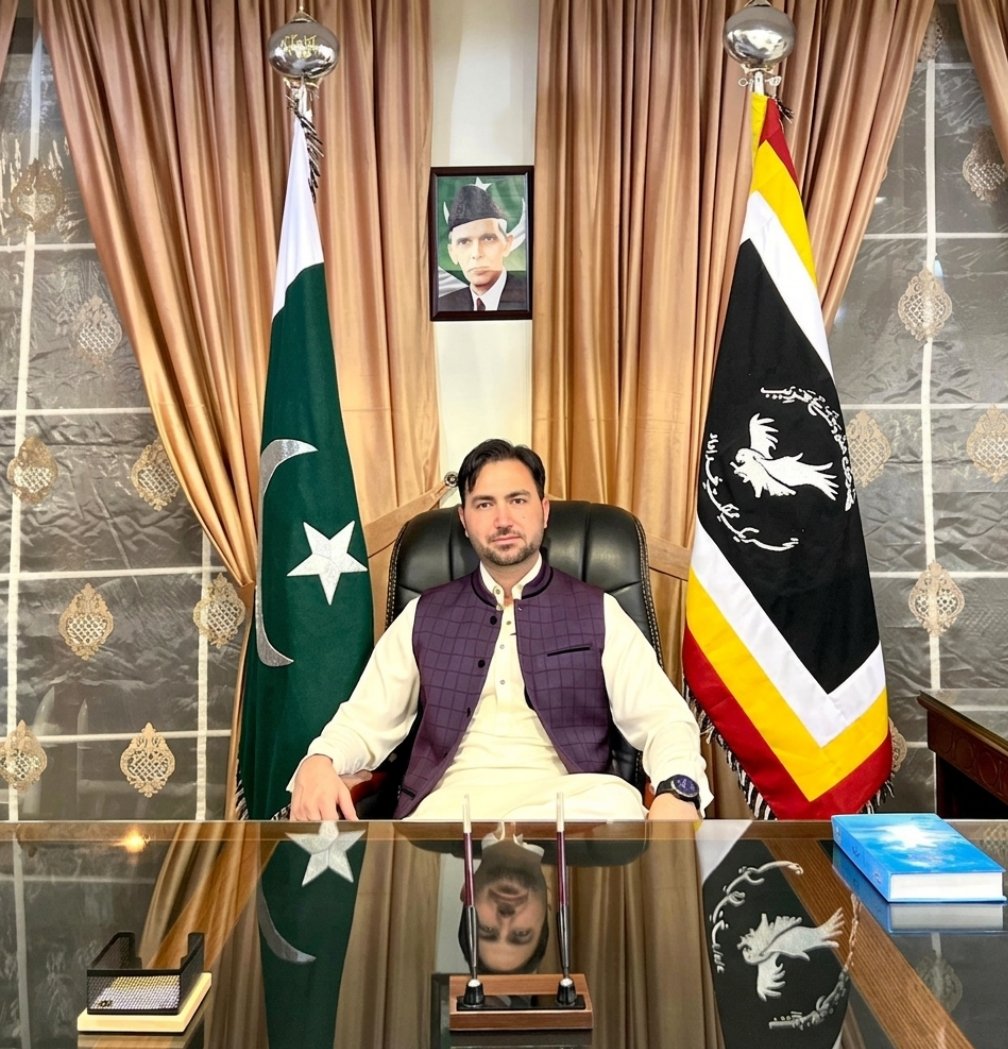
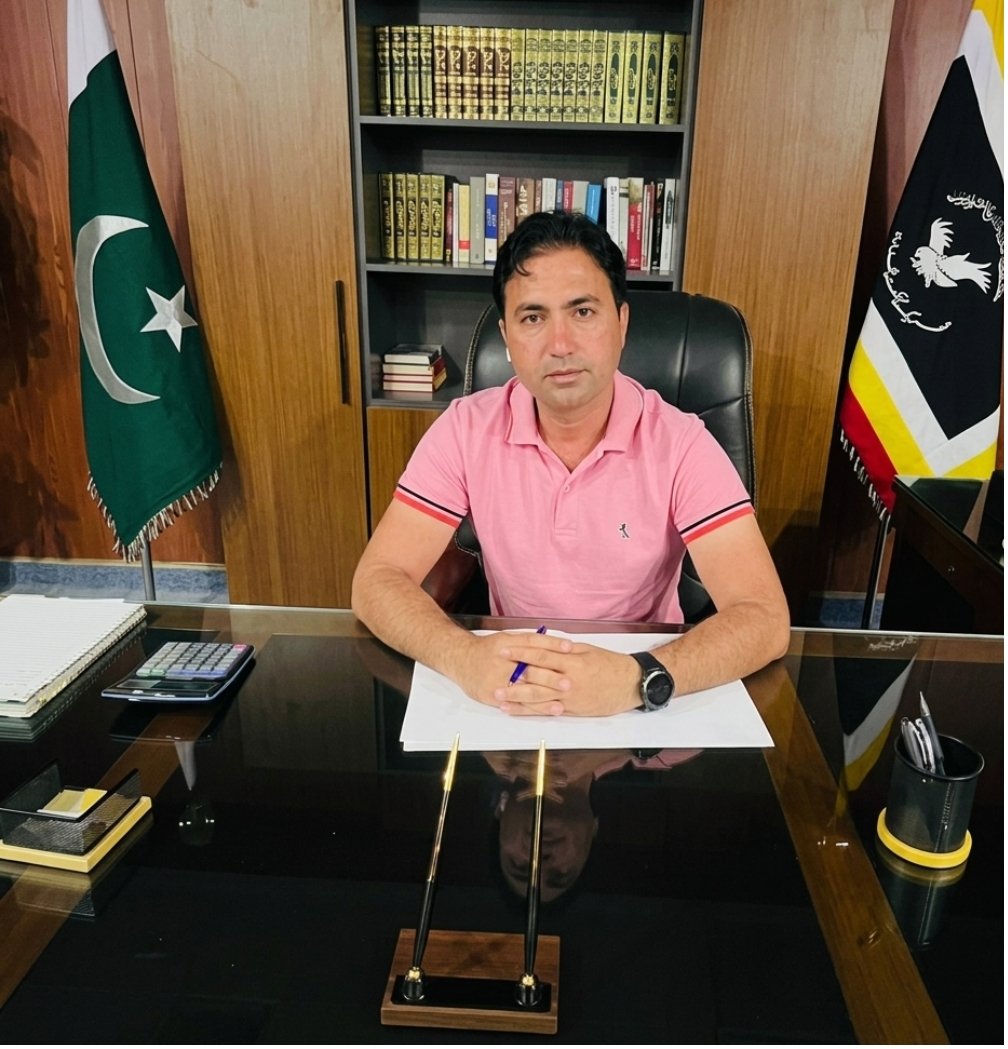
To establish a sovereign, self-reliant, and corruption-free Pakistan where justice is not selective but absolute, where institutions operate with integrity, and where every citizen has a fair and equal opportunity to grow, contribute, and succeed. TMKP envisions a nation that is no longer controlled by elite interests, political manipulation, or external influence, but instead stands firmly on its own principles and national priorities.
Our vision is of a Pakistan where merit defines success, not connections or wealth; where governance is transparent and accountable; and where laws are implemented without bias or exception. We aim to see a country where institutions are strong enough to function independently, and leadership is responsible enough to serve without compromise.
Be part of the change our country needs. Our mission is to build a stronger, fairer, and more prosperous future for every citizen, and that is only possible with the support and participation of people like you. Your voice matters, and by joining us, you become an important part of a movement dedicated to real progress and positive transformation.
We invite you to stand with us by becoming a member, volunteering your time, or supporting our efforts in your own way. Whether it is helping in community initiatives, spreading awareness, or participating in events, every contribution plays a role in shaping a better tomorrow. Together, we can bring meaningful change to our communities and ensure a brighter future for the next generation.
WhatsApp us